
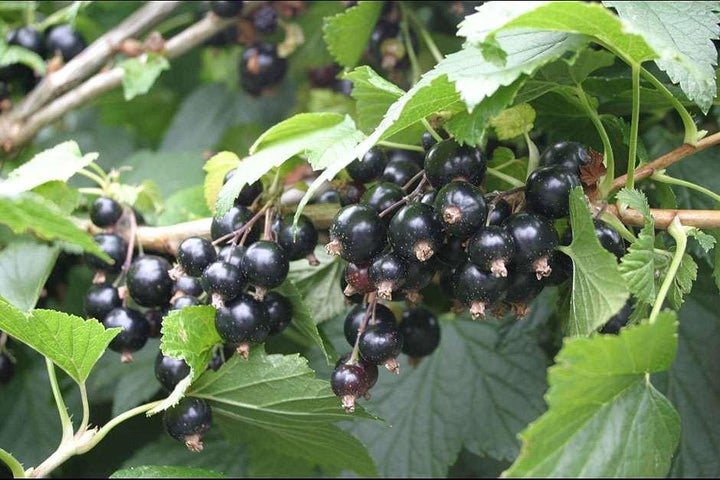

In recent years, interest in home fruit growing has increased across the UK. Gardeners are looking for varieties that combine productivity with disease resistance, compact growth, and good flavour for both fresh eating and preserving. Blackcurrants meet these expectations while also offering impressive nutritional value. The berries are rich in vitamin C, antioxidants, and natural colour compounds that make them popular for jams, cordials, and baking.
A key consideration when planting blackcurrants is variety selection. Different cultivars vary in their ripening times, fruit size, flavour profile, and resistance to common issues such as mildew or leaf spot. Choosing the right varieties can significantly improve both the quality and consistency of your harvest.
According to the fruit tree specialists at a long-established UK nursery ChrisBowers, gardeners should focus on dependable modern cultivars that have been bred for reliability in British conditions. They advise that when browsing blackcurrant bushes for sale, gardeners should prioritise varieties known for strong cropping, good disease resistance, and suitability for home gardens rather than purely commercial traits. Their guidance emphasises selecting cultivars that balance flavour with practical performance, particularly for smaller gardens where space efficiency matters.
Blackcurrants also integrate well with other garden crops. They can be planted alongside gooseberries, raspberries, or dwarf fruit trees without requiring specialised infrastructure. With thoughtful variety choice, gardeners can extend the harvest window across several weeks, ensuring a steady supply of berries throughout the summer.
The following five varieties are widely recommended for UK home gardens and illustrate how modern breeding has improved both reliability and fruit quality.
Ben Sarek – A Compact Bush for Smaller Gardens
Ben Sarek is widely regarded as one of the best blackcurrants for compact gardens. Developed in Scotland, it was specifically bred to produce large fruit on a relatively small bush. This makes it particularly suitable for urban gardens, allotments with limited space, or even large containers.
One of the most appealing characteristics of Ben Sarek is its manageable size. Unlike older varieties that can grow tall and sprawling, Ben Sarek forms a tidy bush typically reaching around one metre in height. This compact habit allows gardeners to maintain plants easily while still harvesting substantial yields.
The berries themselves are large, glossy, and intensely flavoured. They are well suited for traditional blackcurrant uses such as jam, cordial, and desserts. Many gardeners also appreciate the firm skin and rich juice content, which makes the variety ideal for freezing or cooking.
Another advantage is its natural resistance to mildew, a common problem affecting some blackcurrant plants in damp British summers. This resistance reduces the need for intervention and contributes to consistent cropping.
Ben Sarek usually ripens in mid-summer, providing fruit at a convenient point in the gardening calendar. Harvesting is straightforward because the berries tend to form on easily accessible clusters. For gardeners who prefer low-maintenance fruit crops, this is a significant benefit.
Planting Ben Sarek requires little specialised care. Like most blackcurrants, it thrives in fertile soil with good moisture retention. Annual pruning encourages strong new growth, which is where the best fruit develops. Even novice gardeners typically find this variety easy to manage.
For households interested in growing fruit without committing large areas of garden space, Ben Sarek remains one of the most practical blackcurrants available.
Ben Hope – Reliable Cropping and Disease Resistance
Ben Hope has become increasingly popular among UK gardeners due to its strong resistance to pests and diseases. Developed through modern breeding programmes, it addresses many of the weaknesses found in older blackcurrant varieties.
The most notable advantage of Ben Hope is its resistance to big bud mite, a pest that has historically caused problems for blackcurrant growers. This resistance makes the variety particularly attractive for gardeners who want dependable crops with minimal intervention.
In addition to its resilience, Ben Hope produces heavy yields of medium to large berries. The fruits have a balanced flavour that works well both fresh and in processed forms such as juices, preserves, and baked dishes. The berries also maintain good colour and flavour when frozen.
The bush itself grows with an upright habit and moderate vigour. It tends to produce strong new shoots annually, which is beneficial for pruning systems that rely on replacing older wood. Because blackcurrants fruit best on young stems, this natural renewal contributes to consistent harvests.
Ben Hope typically ripens slightly later than some traditional varieties, extending the blackcurrant season. For gardeners who plant multiple cultivars, this staggered ripening can be particularly useful. By combining early, mid-season, and late varieties, it becomes possible to harvest fresh berries over several weeks.
In terms of cultivation, Ben Hope performs well in most UK soils provided adequate organic matter is incorporated at planting time. Regular mulching helps maintain soil moisture and supports healthy growth. Once established, the bushes are hardy and capable of producing reliable crops for many years.
Because of its resilience and productivity, Ben Hope has become one of the most widely recommended blackcurrant varieties for modern home gardens.
Ben Lomond – A Traditional Favourite That Still Performs
Ben Lomond has long been recognised as one of the classic blackcurrant varieties for British conditions. Although newer cultivars have emerged, this traditional variety continues to earn its place in many gardens thanks to its dependable yields and strong flavour.
The bushes are vigorous and upright, capable of producing substantial crops when well maintained. The berries themselves are medium to large in size and have a particularly rich, sharp flavour that works exceptionally well in jams and cordials. For gardeners interested in traditional blackcurrant taste, Ben Lomond often remains a preferred choice.
One of the defining features of this variety is its relatively late flowering period. This characteristic helps protect the developing fruit from late spring frosts, which can occasionally damage earlier varieties. In cooler parts of the UK, this can make a noticeable difference to the reliability of the harvest.
Ben Lomond also demonstrates good resistance to frost damage during flowering, making it suitable for northern gardens and areas exposed to unpredictable spring weather. It typically ripens in mid to late summer, offering a substantial harvest window.
Maintenance is straightforward but does benefit from regular pruning to maintain productivity. Like most blackcurrants, older wood gradually becomes less productive, so removing older stems each winter encourages vigorous new growth.
For gardeners seeking a traditional variety that has proven its reliability over many years, Ben Lomond remains a dependable and productive choice.
Big Ben – Exceptional Fruit Size and Sweetness
Big Ben represents one of the more modern developments in blackcurrant breeding. As the name suggests, the variety is known for producing exceptionally large berries, which immediately distinguishes it from many traditional cultivars.
The fruit size can be significantly larger than standard blackcurrants, and the flavour profile tends to be sweeter. This makes Big Ben particularly suitable for fresh eating, something not always associated with blackcurrants due to their naturally sharp taste.
The bushes grow vigorously and produce strong upright shoots. When properly pruned and maintained, they are capable of producing very heavy crops. Because of the larger berry size, harvesting can also be quicker and more convenient.
Big Ben typically ripens relatively early in the blackcurrant season, making it useful for gardeners who want the first berries of summer. When planted alongside mid-season and later varieties, it can help extend the overall harvest period.
Another advantage is the appealing appearance of the fruit clusters. The berries are glossy, dark, and uniform, which contributes to their popularity among gardeners who enjoy fresh fruit presentation as well as cooking applications.
Despite its impressive fruit size, Big Ben still retains the strong flavour expected from blackcurrants. The berries work well in desserts, syrups, and traditional preserves.
For gardeners looking for a modern variety that combines large fruit with improved sweetness, Big Ben offers an attractive alternative to more traditional cultivars.
Ebony – A Modern Variety for Fresh Eating
Ebony is another relatively modern blackcurrant variety that has gained attention for its unusually sweet flavour. Unlike many blackcurrants that are primarily used for cooking, Ebony is frequently recommended for fresh consumption.
The berries are medium to large in size and have a noticeably milder flavour compared with older varieties. This makes them appealing to gardeners who may find traditional blackcurrants too sharp for eating straight from the bush.
Ebony bushes are vigorous and productive, producing reliable crops when planted in fertile soil with good moisture retention. They also respond well to standard blackcurrant pruning methods, where older stems are gradually removed to encourage new fruiting wood.
The ripening period typically falls in mid-season, positioning Ebony between earlier varieties such as Big Ben and later cultivars like Ben Hope. When combined with other types, it helps create a continuous harvest window.
Gardeners also appreciate the visual appeal of the fruit clusters. The berries develop a deep, glossy colour that indicates strong ripeness and flavour. When harvested at the right time, they maintain a pleasant balance between sweetness and the characteristic blackcurrant richness.
Ebony can be used in cooking, but its sweeter taste often encourages gardeners to use it in fresh desserts or simple fruit bowls. This versatility adds another dimension to the home blackcurrant harvest.
For those seeking a modern cultivar that bridges the gap between cooking fruit and fresh dessert berries, Ebony is one of the most interesting options currently available.
Choosing the Right Blackcurrants for Your Garden
Selecting the best blackcurrant varieties depends largely on the gardener’s priorities. Some may value compact growth and easy maintenance, while others focus on flavour, fruit size, or disease resistance.
In many cases, planting two or three complementary varieties offers the best results. Early, mid-season, and late cultivars together can provide berries across a longer period of the summer, reducing the need to process large quantities of fruit all at once.
Soil preparation also plays an important role. Blackcurrants thrive in fertile soil enriched with organic matter. Mulching helps maintain moisture levels, which is particularly important during dry spells. Regular pruning ensures that bushes continue to produce strong young stems capable of carrying heavy crops.
Spacing is another factor to consider. Most bushes benefit from being planted around 1.5 metres apart to allow sufficient airflow and sunlight penetration. This spacing reduces disease risk and encourages balanced growth.
Ultimately, blackcurrants remain one of the most practical fruit crops for British gardens. With the right selection of varieties and basic seasonal care, even a small planting can provide generous harvests year after year. By choosing dependable cultivars such as Ben Sarek, Ben Hope, Ben Lomond, Big Ben, and Ebony, gardeners can enjoy a reliable supply of berries suited to both traditional recipes and fresh summer eating.