
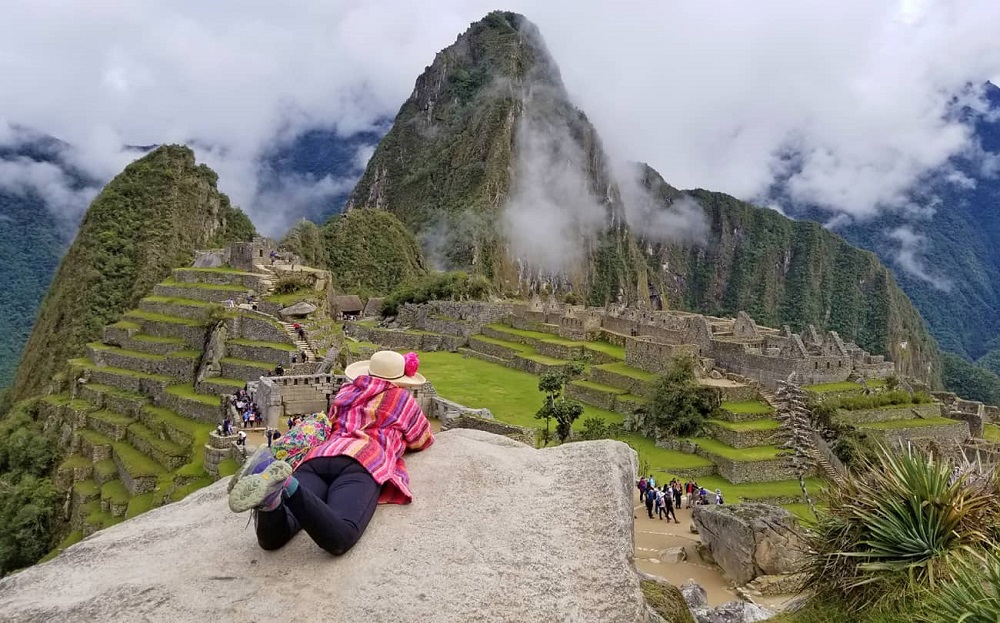

Modern international travel often revolves around iconic global capitals and major tourist hubs. While cities like Paris, Tokyo, and New York offer undeniable historic and cultural charm, they also come with heavy foot traffic, inflated seasonal prices, and long queue times. For adventurous travelers seeking authentic cultural encounters, pristine natural landscapes, and quiet exploration, under-the-radar destinations provide an extraordinarily rewarding alternative.
Uncovering hidden travel gems allows you to step off the well-trodden tourist grid. By venturing to lesser-known locations, you support local economies directly, minimize your environmental footprint, and build meaningful connections with resident communities that still treat visitors as welcomed guests rather than revenue sources.
The Allure of Off-the-Beaten-Path Exploration
Choosing underrated travel destinations requires a mindset shift away from checking off popular landmark selfies toward embracing slow, immersive travel experiences.
Primary reasons to seek out hidden travel spots include:
- Authentic Cultural Immersion: Underrated regions preserve traditional customs, regional culinary heritage, and local daily life free from heavy commercialization.
- Intimate Nature Connection: Exploring quiet national parks, secluded beaches, and untouched mountain ranges provides peaceful outdoor experiences without overcrowding.
- Better Value for Spending: Less commercialized regions generally offer lower accommodation costs, affordable dining, and reasonable activity pricing.
- Reduced Environmental Pressure: Spreading tourism beyond overcrowded hotspots helps alleviate environmental strain and preserves delicate ecosystems.
Exceptional Under-the-Radar Global Destinations
Faroe Islands, North Atlantic Ocean
Positioned between Iceland and Norway, the Faroe Islands consist of eighteen rugged volcanic islands defined by dramatic sea cliffs, cascading waterfalls, and emerald valleys.
Unlike neighboring Iceland, which receives large waves of seasonal tourism, the Faroe Islands remain peaceful and unspoiled. Visitors can hike scenic coastal trails connecting tiny fishing villages adorned with turf-roofed cottages, observe nesting puffin colonies along towering basalt cliffs, and drive through undersea tunnels connecting remote islands.
Highlight activities in the Faroe Islands include:
- Hiking to the famous cliffside viewpoint overlooking Lake Sorvagsvatn, where water appears to float hundreds of feet directly above the ocean.
- Visiting the remote village of Gjogv to walk along its natural sea-filled gorge and coastal cliff paths.
- Photographing Múlafossur Waterfall as it tumbles directly off steep green mountains into the Atlantic waters below.
Meteora, Greece
While millions of international travelers flock to popular Greek islands like Santorini and Mykonos every summer, mainland Greece holds extraordinary cultural treasures that receive far fewer international visitors.
Meteora is a geological wonder featuring massive sandstone rock pillars rising dramatically out of the Thessalian plain. Perched precariously atop these vertical stone monoliths sit historic Eastern Orthodox monasteries built by monks in the fourteenth century.
Key highlights of visiting Meteora include:
- Exploring active historic monasteries to admire centuries-old Byzantine frescoes and rare religious artifacts.
- Hiking ancient stone pathways connecting the rock pillars for breathtaking panoramic sunset views over the valley.
- Experiencing traditional Greek hospitality and authentic regional cuisine in the charming base towns of Kalabaka and Kastraki.
Socotra Archipelago, Yemen
Located in the Arabian Sea, Socotra is one of the most isolated landforms of non-volcanic origin on Earth. Due to millions of years of geographic isolation, nearly a third of its plant life is found nowhere else on the planet, earning it a reputation as one of the most alien-looking landscapes in the world.
The island is famous for its iconic Dragon Blood Trees, which feature dense, umbrella-shaped canopies that produce red resin. Beyond its unusual flora, Socotra offers untouched white sand dunes, crystal-clear turquoise lagoons, extensive limestone cave networks, and pristine coral reefs.
Essential experiences in Socotra focus on:
- Camping beneath the umbrella canopies of the ancient Dragon Blood Tree forests in the Dixam Plateau.
- Trekking through the massive white sand dunes of Stero and watching sunset over the Indian Ocean.
- Swimming in the clear emerald freshwater pools of Wadi Dirhur Canyon.
Gippsland Region, Victoria, Australia
When international tourists visit Australia, their itineraries typically prioritize Sydney, Melbourne, and the Great Barrier Reef. However, the Gippsland region in southeastern Victoria offers an extraordinary mix of diverse natural landscapes without tourist crowds.
Spanning coastal wilderness, expansive inland lakes, ancient cool-temperate rainforests, and alpine peaks, Gippsland is a haven for outdoor enthusiasts and eco-travelers.
Top attractions across Gippsland include:
- Exploring Wilsons Promontory National Park to walk along granite peaks, coastal heathlands, and squeaky white sand beaches.
- Kayaking through the Gippsland Lakes, Australia’s largest inland network of waterways, home to rare Burrunan dolphins.
- Walking through the lush canopy of ancient tree ferns along the historic Tarra-Bulga National Park hiking trails.
Practical Advice for Planning Hidden Travel Adventures
Traveling to remote or under-the-radar destinations requires thoughtful preparation and flexible logistics. Because hidden gems often lack the dense tourism infrastructure found in major urban centers, advance planning ensures a seamless journey.
Recommended planning steps include:
- Research Transport Logistics Early: Remote destinations may rely on limited weekly flights, local ferry schedules, or regional buses. Book inter-island transit and vehicle rentals well in advance.
- Pack Adaptable Outdoor Gear: Underrated spots often feature rugged natural terrain. Pack sturdy hiking footwear, weather-resistant outer layers, and reliable power banks for offline navigation.
- Learn Basic Local Phrases: In regions with low tourism volume, English fluency may be limited outside major hubs. Learning polite local greetings demonstrates respect and facilitates warm interactions.
- Carry Sufficient Local Currency: Smaller villages, family-owned guesthouses, and regional markets often operate on cash transactions rather than digital card payments.
Frequently Asked Questions
Is traveling to hidden destinations more expensive than visiting major cities?
Not necessarily. While international flight tickets to remote regional airports can occasionally cost more, your daily on-the-ground expenses for lodging, meals, local transport, and activities are typically significantly lower in under-the-radar regions compared to major tourist capitals.
How do I find reliable information on destinations with limited tourism content?
You can gather authentic travel details by consulting regional tourism board websites, reading detailed personal travel blogs, engaging with niche travel forums, and reaching out directly to local guesthouses or eco-tour operators for updated transportation advice.
Are off-the-beaten-path destinations safe for solo travelers?
Many hidden travel destinations boast remarkably low crime rates and welcoming local communities. However, solo travelers should practice standard safety precautions, keep family members informed of daily travel itineraries, download offline digital maps, and secure comprehensive travel insurance covering emergency medical evacuation.
How can I practice responsible tourism in delicate hidden destinations?
Practicing responsible tourism involves adhering strictly to Leave No Trace principles, avoiding single-use plastics, respecting local cultural dress codes, supporting locally owned family businesses, and refraining from geotagging precise micro-locations on social media platforms to prevent sudden environmental degradation.
Do I need specialized vehicles to explore remote regional destinations?
Vehicle requirements depend entirely on the local terrain. While paved highways connect many hidden coastal towns and historic valleys, reaching rugged national park trails, high mountain passes, or desert dunes may require renting a four-wheel-drive vehicle or arranging local private drivers.
How far in advance should I plan a trip to an under-the-radar location?
It is advisable to begin planning four to six months in advance. Because hidden destinations often feature a limited inventory of boutique guesthouses, eco-lodges, vehicle rentals, and regional flight seats, early booking secures preferred accommodations and fair pricing.
What should I consider regarding medical care when traveling to remote areas?
Before traveling to isolated regions, research the location of nearest regional clinics and hospitals. Carry a comprehensive personal first-aid kit with essential prescription medications, basic first-aid supplies, and water purification tablets, while ensuring your travel insurance explicitly covers medical transport.