
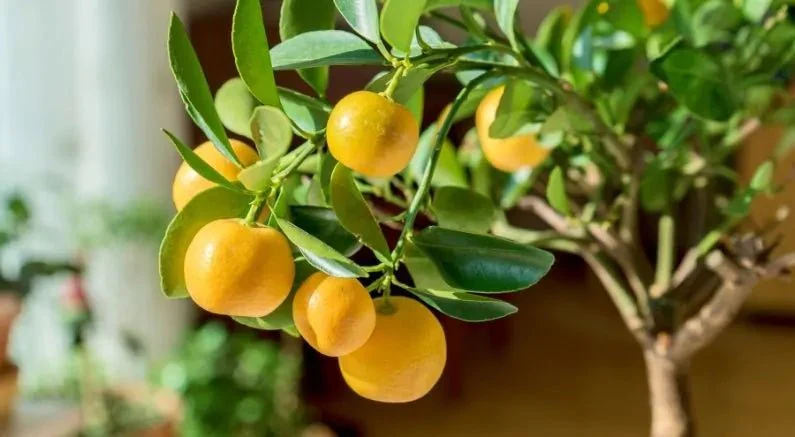

With careful variety choice and an understanding of how cool evenings affect growth, it is entirely possible to harvest fragrant fruit from containers in many parts of Britain. Patio citrus brings structure, evergreen foliage, blossom scent and usable crops into relatively small spaces, making it an attractive option for gardeners who may not have traditional orchard conditions.
This article focuses on seven citrus varieties that cope well with cooler evenings and fluctuating temperatures, particularly when grown in pots on patios, balconies, and sheltered terraces. The emphasis is on realistic performance rather than idealised conditions, drawing on UK nursery experience rather than Mediterranean assumptions. For gardeners looking to buy fruit trees suited to container growing rather than open-ground planting, citrus can be a practical and rewarding choice when the right selections are made.
Before exploring individual varieties, it is worth understanding why cool evenings matter. Citrus growth slows when night temperatures drop below about 10°C, and some varieties respond better than others to these conditions. Those with a degree of cold tolerance, slower growth habits, and adaptable flowering cycles tend to perform far more reliably on patios where temperatures fall sharply after sunset.
A specialist perspective from a long-established UK nursery helps frame this selection. According to the fruit trees specialists at Fruit-Trees nursery, choosing citrus varieties bred or selected for resilience is more important than pushing plants to grow out of season. Their advice on citrus trees emphasises matching the variety to the growing environment rather than relying on heavy protection or artificial heat. This approach supports healthier plants and more consistent fruiting over time.
Patio Microclimates and Citrus Resilience
Patios create a unique growing environment that differs significantly from open ground or greenhouse conditions. During the day, paving and walls can absorb heat, creating a warm microclimate that benefits citrus growth. At night, however, this warmth dissipates quickly, and temperatures can drop sharply, especially in spring and autumn. The ability of a citrus variety to tolerate these fluctuations determines whether it thrives or struggles.
Citrus plants respond to cool evenings by slowing metabolic processes. Some varieties interpret falling temperatures as a signal to pause growth, while others experience stress that can lead to leaf drop or poor flowering. Varieties suitable for patios tend to have a natural tolerance to cooler nights, often originating from regions with greater seasonal variation rather than consistently warm climates.
Container size and root behaviour also play a role. Citrus grown in pots cool down faster than those in the ground, making root resilience important. Varieties with compact, fibrous root systems adapt better to container conditions and recover more quickly after temperature dips. This resilience is particularly valuable in the UK, where unexpected cold spells can occur even in late spring.
Another factor is flowering habit. Some citrus flower in flushes triggered by temperature changes, while others flower more steadily. Patio-friendly varieties often fall into the latter category, producing blossoms over a longer period and reducing the risk of losing an entire crop to a single cold snap. Understanding these underlying traits helps explain why certain citrus perform reliably on patios while others struggle despite good care.
Calamondin Orange: Compact and Cold-Aware
Calamondin orange is one of the most reliable citrus choices for UK patios. A natural hybrid between mandarin and kumquat, it combines compact growth with a notable tolerance for cooler conditions. This variety has long been used as an ornamental citrus in temperate regions, not only for its fruit but also for its ability to cope with less-than-ideal temperatures.
The tree remains relatively small, making it well suited to containers. Its dense foliage provides insulation for developing fruit, and its growth habit is less reactive to temperature swings than more vigorous citrus types. Cool evenings may slow growth, but they rarely cause stress-related leaf drop in healthy plants.
Calamondin fruit are small, orange-coloured, and sharply acidic, often used in marmalades or as a flavouring rather than eaten fresh. While this limits its appeal as a dessert fruit, its productivity and reliability make it valuable for gardeners prioritising resilience over sweetness. The fruit often persists on the tree for extended periods, adding visual interest throughout autumn and winter.
Flowering can occur several times a year, particularly when day-night temperature differences are moderate. This repeated flowering pattern means that even if one flush is affected by a cold spell, later flowers may still set fruit. For patio growers in cooler parts of the UK, this characteristic alone makes Calamondin a dependable choice.
Kumquat Varieties: Naturally Adapted to Cooler Nights
Kumquats are among the most cold-tolerant citrus available, making them particularly suitable for patios exposed to cool evenings. Unlike many citrus, kumquats enter a form of semi-dormancy during colder periods, allowing them to withstand lower night temperatures without stress.
The Nagami kumquat is the most commonly grown variety and performs consistently well in containers. Its upright habit and relatively small leaves reduce moisture loss and temperature stress, while its slow growth rate makes it easy to manage on a patio. The fruit is oval, with sweet peel and tart flesh, and can be eaten whole.
Another advantage of kumquats is their late flowering season. They often bloom after other citrus, reducing the risk of flower damage from spring cold snaps. Fruit development continues well into autumn, with mature fruit tolerating cooler weather better than that of many other citrus types.
Kumquats also respond well to the gradual seasonal changes typical of the UK. Rather than requiring sharp transitions between warm and cool conditions, they adapt steadily, which suits patio environments where microclimates change subtly over time. This adaptability makes them an excellent entry point for gardeners new to growing citrus outdoors.
Meyer Lemon: A Softer Lemon for British Conditions
Meyer lemon occupies a unique position among citrus varieties, combining lemon characteristics with greater cold tolerance. Thought to be a hybrid involving mandarin ancestry, it produces less acidic fruit and shows improved resilience to cooler conditions compared to traditional lemons.
On a patio, Meyer lemon benefits from shelter but does not demand constant warmth. Cool evenings slow growth but rarely cause damage if the plant is healthy and well-fed. Its glossy foliage remains intact through mild cold spells, and flowering continues steadily during the growing season.
The fruit ripens earlier than many other lemons, which is advantageous in the UK climate. Earlier ripening reduces the risk of fruit being damaged by autumn cold before reaching maturity. Meyer lemons also tend to hold their fruit well, allowing harvest over an extended period rather than all at once.
From a management perspective, Meyer lemon responds well to container culture. Its moderate vigour means it can be kept compact without heavy pruning, reducing stress. For gardeners seeking a recognisable citrus flavour without the challenges associated with standard lemons, Meyer lemon offers a balanced compromise between productivity and resilience.
Satsuma Mandarin: Designed for Cooler Climates
Satsuma mandarins are widely grown in regions with cool winters and mild summers, making them particularly suitable for UK patio conditions. Originating in Japan, these mandarins are known for their ability to tolerate lower temperatures than most citrus, especially once established.
The tree has an open, spreading habit that allows light to penetrate the canopy, improving fruit ripening even in less intense sunlight. Leaves are thinner than those of many citrus, reducing energy demands during cooler nights. This combination allows Satsuma mandarins to continue developing fruit under conditions that would halt growth in more tender varieties.
Fruit is seedless, easy to peel, and sweet, with low acidity. Ripening typically occurs earlier than other mandarins, often finishing before the coldest part of autumn. This timing aligns well with the UK climate, where prolonged warmth into late autumn cannot be guaranteed.
Satsuma mandarins are also relatively forgiving of minor temperature stress. Brief dips in temperature rarely result in significant damage, making them suitable for patios that may not be fully sheltered. Their reliability and high-quality fruit make them a strong candidate for gardeners willing to provide basic protection during severe cold spells.
Yuzu: Hardy Citrus with Culinary Value
Yuzu is less common in UK gardens but deserves attention for its exceptional cold tolerance and unique culinary uses. Unlike most citrus, yuzu can withstand significantly lower temperatures, making it one of the best options for patios in cooler regions.
The tree has a somewhat rugged appearance, with thicker leaves and a more angular growth habit. These traits reflect its adaptation to harsher conditions. Cool evenings have little impact on yuzu growth once established, and the plant remains active longer into autumn than many other citrus.
Yuzu fruit is not typically eaten fresh but is highly valued for its aromatic zest and juice. The flavour is complex, combining elements of lemon, mandarin, and grapefruit. This culinary versatility makes yuzu attractive to gardeners interested in cooking rather than fresh eating alone.
Flowering occurs later than many citrus, reducing the risk of frost damage. Fruit matures slowly but reliably, even under cooler conditions. While yuzu may not suit those seeking abundant sweet fruit, its resilience and distinctive qualities make it a practical and interesting patio citrus.
Choosing, Positioning, and Managing Patio Citrus
Selecting the right variety is only part of successful patio citrus growing. Positioning plays a critical role in mitigating cool evening effects. A south- or west-facing wall can provide valuable residual warmth, while protection from prevailing winds reduces temperature stress and moisture loss.
Containers should be large enough to buffer temperature changes in the root zone. Insulated pots or double-walled containers can further moderate night-time cooling. Drainage remains essential, as cold, wet roots are more damaging than cool air temperatures alone.
Feeding should be adjusted to seasonal conditions. During periods of slower growth caused by cool evenings, excessive fertiliser can do more harm than good. Balanced feeding tailored to citrus requirements supports steady growth without forcing the plant beyond its comfort zone.
Pruning should be minimal and timed carefully. Heavy pruning can stimulate tender growth that is vulnerable to temperature drops. Light shaping after fruiting is usually sufficient for patio citrus, maintaining form without encouraging excessive new growth.
With appropriate variety choice and sensible management, patio citrus can become a long-term feature rather than a seasonal experiment. The varieties discussed here demonstrate that cool evenings need not be a barrier to success, provided expectations align with the realities of the UK climate and plants are chosen accordingly.