
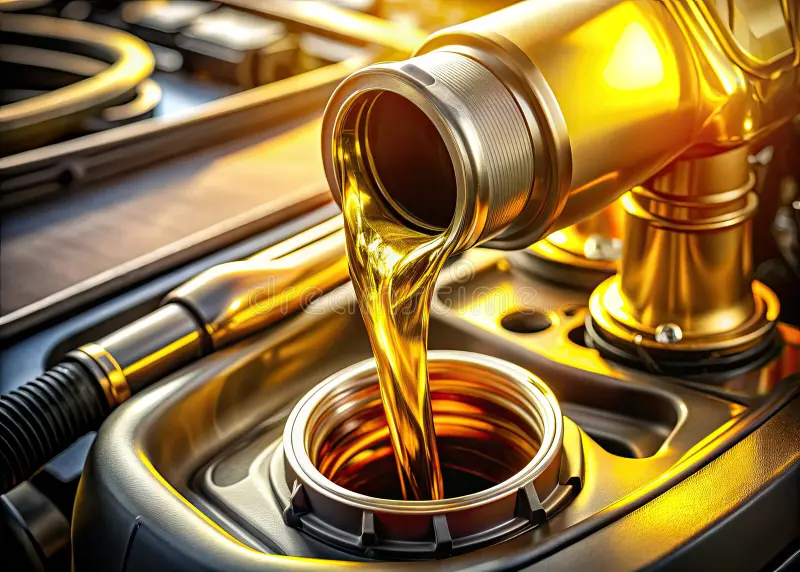

Every internal combustion engine relies heavily on motor oil to survive the extreme temperatures, immense pressure, and rapid movement inside the engine block. Modern engines are built with tighter tolerances and higher power outputs than those produced decades ago. This means selecting the correct oil is no longer a matter of grabbing the cheapest bottle off a gas station shelf. Using high quality motor oil protects critical components, maintains optimal fuel efficiency, and extends the overall lifespan of your vehicle.
Understanding how motor oil functions, how to read bottle labels, and how different formulations behave under stress allows you to make an informed choice every time you service your vehicle.
The Core Functions of Motor Oil
Motor oil does far more than just prevent metal parts from scraping together. It performs several interconnected roles that keep the engine running smoothly.
- Lubrication: Metal components like pistons, crankshafts, and camshafts move at thousands of revolutions per minute. Motor oil creates a micro-thin hydraulic film between these moving surfaces to eliminate direct friction and prevent catastrophic metal-on-metal wear.
- Cooling: While the radiator and coolant manage heat in the upper cylinder head, motor oil circulates directly through the hotter lower engine regions. It absorbs heat from combustion zones and transports it back down to the oil pan for dissipation.
- Cleaning: Combustion creates soot, unburned fuel, and carbon deposits. Quality motor oil contains detergent additives that suspend these microscopic particles so they are carried directly into the oil filter rather than building up on valve seats and piston rings.
- Corrosion Protection: Moisture and acidic combustion byproducts naturally enter the crankcase. Motor oil coats metal surfaces with anti-corrosive inhibitors to neutralize acids and prevent rust formation during periods when the engine is idle.
- Sealing: Motor oil fills the tiny gaps between the piston rings and the cylinder walls. This dynamic seal prevents high-pressure combustion gases from escaping into the crankcase, preserving compression and engine power.
Decoding Oil Viscosity Grades
Viscosity measures a liquid’s resistance to flow. Thick liquid flows slowly, while thin liquid flows rapidly. Motor oil must balance these characteristics because it needs to be thin enough to flow instantly during a freezing cold morning start, yet thick enough to maintain a protective barrier when the engine operates at extreme heat.
The Society of Automotive Engineers established a standardized rating system to designate viscosity grades, typically displayed as two numbers separated by a letter.
Understanding the Numbers
In a designation like 5W-30:
- The First Number and the Letter W: The number preceding the letter W stands for Winter rating. This measures how easily the oil flows at low temperatures. Lower numbers mean the oil pumps quickly during cold starts, reducing critical initial engine wear.
- The Second Number: The number following the hyphen represents the viscosity rating at standard engine operating temperatures, which is measured around 212 degrees Fahrenheit. Higher numbers indicate a thicker oil film at high temperatures.
Modern engines often demand low viscosity oils such as 0W-20 or 5W-20. Manufacturers design these engines with narrow oil passages, making thin oil mandatory to ensure complete fluid distribution without generating excessive mechanical drag.
Base Oil Categories: Conventional, Synthetic, and Blends
Motor oils are made by combining base oils with chemical additive packages. Base oils fall into three main retail categories based on how refined they are.
Conventional Motor Oil
Conventional oil is derived directly from refined crude oil. It provides adequate protection for older vehicles with basic engine designs and light driving demands. However, conventional oil molecules vary widely in shape and size. Under high temperatures, smaller molecules evaporate quickly while larger molecules degrade into sludge. It requires shorter change intervals, typically between 3,000 and 5,000 miles.
Synthetic Blend Motor Oil
Synthetic blends combine conventional crude oil with synthetic base stocks. This provides better resistance to thermal breakdown and improved low-temperature performance compared to pure conventional oil, at a moderate price point. Synthetic blends are popular options for light trucks and vehicles carrying moderate loads.
Full Synthetic Motor Oil
Full synthetic oil is manufactured through complex chemical synthesis, producing uniform molecular structures. Because every molecule is engineered for stability, full synthetic oils resist oxidation, maintain stable viscosity across extreme temperatures, and minimize internal engine sludge. They flow instantly in freezing weather and withstand extreme heat without breaking down. Full synthetic oils typically support extended drain intervals between 7,500 and 15,000 miles, depending on manufacturer specifications.
High-Mileage Motor Oil
High-mileage formulations are specially blended for vehicles with more than 75,000 miles on the odometer. These oils contain seal conditioners that swell hardened internal rubber seals, stopping or reducing minor oil leaks. They also include higher levels of anti-wear additives and detergents to protect aging components and clear away accumulated varnish.
Key Additives and Their Protective Roles
Base oil alone cannot handle all the demands placed on a modern engine. Chemical additives make up roughly fifteen to twenty-five percent of every bottle of motor oil.
- Viscosity Index Improvers: Polymers that expand as the engine heats up, keeping the oil from thinning out excessively at high operating temperatures.
- Detergents and Dispersants: Detergents neutralize acidic compounds and clean away varnish, while dispersants break down solid dirt particles to keep them suspended until the filter traps them.
- Anti-Wear Agents: Compounds like zinc dialkyldithiophosphate, commonly known as ZDDP, form a protective sacrificial chemical layer on metal surfaces during heavy pressure or momentary oil film loss.
- Friction Modifiers: Microscopic chemicals that smooth out surface contacts to minimize mechanical drag and improve overall fuel economy.
- Pour Point Depressants: Additives that prevent wax molecules in the oil from crystallizing in cold weather, allowing the oil to flow freely at low ambient temperatures.
Certification Labels to Look For
To ensure an oil meets recognized safety and quality standards, check the container label for official industry certifications.
American Petroleum Institute Standards
Look for the API Starburst or API Shield symbol on the front label. This mark indicates the oil meets current energy conserving and engine protection standards set by automotive manufacturers and oil refiners. The current highest standard for gasoline engines is API SP, designed specifically to prevent low-speed pre-ignition in turbocharged direct-injection engines.
International Lubricant Specification Advisory Committee
ILSAC ratings work alongside API classifications. The current GF-6 standard focuses heavily on improving fuel economy, enhancing timing chain wear protection, and preventing engine deposits in high-output modern engines.
European Automobile Manufacturers Association
ACEA performance sequences apply to European passenger cars and diesel engines. European standards often require higher shear resistance and longer stay-in-grade stability due to higher highway speeds and longer factory service intervals.
How to Select the Ideal Oil for Your Car
Choosing the right motor oil comes down to matching oil properties with vehicle design and driving conditions.
- Consult the Owner Manual: Always follow the viscosity grade and oil specification recommended by your vehicle manufacturer. Using an unapproved viscosity can cause oil pressure issues or check engine lights.
- Consider Climate Conditions: If you live in an area with severe winter temperatures, using the lowest recommended cold-viscosity rating will protect the engine during initial startup.
- Assess Driving Habits: Stop-and-go city traffic, short trips where the engine never reaches full operating temperature, heavy towing, and extreme ambient heat all qualify as severe service conditions. Vehicles driven under these demands benefit significantly from full synthetic oil.
- Match Engine Mileage: Older engines with minor oil burning or slow valve cover leaks perform better on high-mileage formulations that help restore seal elasticity.
Frequently Asked Questions
Can you mix different brands or types of motor oil in an emergency?
Yes, motor oils meeting API standards are compatible with one another. If your oil level is dangerously low, adding a quart of a different brand, viscosity, or formulation is safe to prevent engine damage. However, mixing conventional oil into full synthetic oil dilutes the performance benefits of the synthetic product, so you should resume using your primary oil type during the next complete oil change.
How often should motor oil be checked using the dipstick?
It is best practice to check the oil level once every month or before starting a long road trip. Park the vehicle on a level surface, turn off the engine, wait a few minutes for the oil to drain back into the pan, pull the dipstick, wipe it clean, reinsert it fully, and pull it out again to read the level accurately.
Does motor oil expire if left sealed in the original container?
Sealed bottles of motor oil generally have an estimated shelf life of roughly five years when stored in a cool, dry area away from direct sunlight. Over extended periods, additive packages can slowly settle out of suspension, so shaking the container before pouring aged oil is recommended.
Why does engine oil turn dark brown or black after a few thousand miles?
Darkening is a normal sign that the oil is doing its job. The detergent and dispersant additives in the oil trap soot, dirt, and carbon byproducts from combustion, holding them in suspension so they do not build up as solid deposits inside the engine.
Is synthetic oil bad for older vehicles built before the year 2000?
Synthetic oil is safe for older vehicles and provides superior protection compared to conventional alternatives. A persistent myth claims synthetic oil causes engine leaks, but synthetic oil actually exposes existing leaks by cleaning away old sludge that was blocking worn seals.
What is low-speed pre-ignition and how does modern oil prevent it?
Low-speed pre-ignition occurs when fuel ignites prematurely inside the cylinder of turbocharged direct-injection engines, causing severe pressure spikes that can destroy pistons. Modern API SP and ILSAC GF-6 certified motor oils are formulated with revised detergent recipes that eliminate the chemical triggers known to cause this condition.