
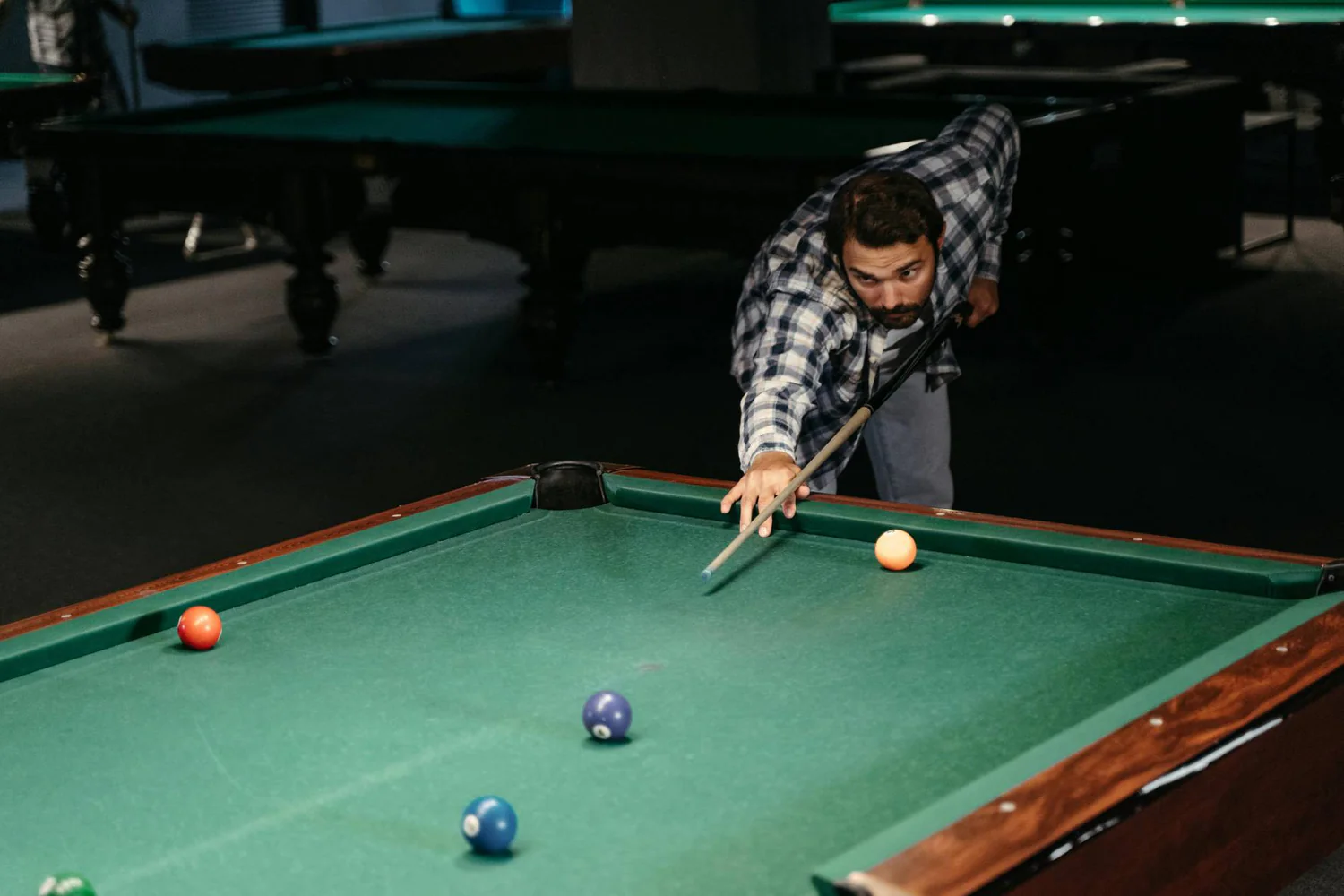

The Hidden Edge Every Pool Player Overlooks
Every game has a secret advantage hiding in plain sight—and in billiards, it’s not always the player’s talent or luck that decides the outcome. It’s the gear. We often talk about perfect aim, flawless breaks, and table strategy, but the truth is, the real foundation of precision starts long before the first shot. That’s where billiards pool accessories come into play—quietly shaping how each cue connects, how each stroke feels, and how consistent every win can become.
When we built this guide, we wanted it to be more than another equipment checklist. This is about understanding how the right tools create the rhythm, confidence, and control that define good players from great ones. We’ll break down the essentials—from cue selection to maintenance habits—and share insights you can apply right away to elevate your gameplay.
Our goal is simple: to help you choose smarter, play smoother, and keep your gear working as hard as you do. Whether you play for fun or competition, this guide will show you what to focus on, how to fine-tune your setup, and why investing in the right accessories isn’t just about looking professional—it’s about feeling unstoppable every time you line up your next shot.
By the end, you’ll know exactly how to make your setup an extension of your skill, not a limitation. Ready to find your edge? Let’s start where every great shot begins—the right gear.
How To Choose the Right Cue and Accessories
You want gear that fits your style and budget. Start by testing weight and balance. Hold several cues and feel which one sits naturally in your hand. Check the tip type for how it grips the cue ball. Look at shaft stiffness; some players prefer a firmer feel. Consider a cue with a good joint fit to reduce wobble. Think about a cue case that protects the shaft and leather. Pick a glove if your hand sweats or sticks to the shaft. Try chalk types to see which holds best for you. Inspect ferrules for signs of wear or cracking. You want a solid build, not flashy trims. A small weight kit can tune the balance for you. Use a slip-on bridge if you often need higher rests—test accessories at the table before buying.
- Try cues at a club first
- Test different tip hardness
- Bring a friend for a second opinion
What Accessories Improve Accuracy and Control
Accuracy grows from consistent contact and good follow-through. Use quality chalk and apply it with a light touch to each shot. A clean shaft slides better in your bridge hand. A tip shaper keeps the contact point round and true. A small cue tape can mark your preferred grip spot. Practice with training diamonds or ghost-ball markers to learn angles. Use a level cue to check shaft straightness. A cue extension helps reach long shots while keeping the stance stable. Short practice routines with a focus object build repeatable stroke patterns. You will notice small, steady gains when you keep things consistent.
- Keep a tip tool in your case
- Use a silk or microfiber cloth for the shaft
- Practice with aim markers
Why Maintenance Is Key to Longevity
Gear fails when we forget it. Clean cloths stop grime buildup and reduce friction. Replace tips when they flatten to keep a predictable spin. Tighten joints and check ferrules for splits—store cues in a dry, stable place to prevent warping. Rotate the cue use so one shaft does not wear out faster. Inspect cases after trips and replace worn padding. Minor fixes now save considerable replacement costs later. We recommend a weekly quick check and a monthly deeper look. A few minutes keep your kit match-ready and save money long term.
- Clean and chalk regularly
- Replace tips every few months if you play often
- Check for warping by rolling the cue on a flat surface
How To Practice with Accessories for Real Improvement
Practice beats gear if you skip reps. Use the right tools to focus practice time. Start with short drills that isolate one skill. Aim drills, speed drills, and position drills help different parts of play. Use training balls or markers to check your position play. Track progress in simple notes after a session—alternate drills with actual game play to test skills under pressure. Keep sessions short and focused so you stay sharp and avoid bad habits. Gradually add difficulty once you hit consistency.
- Do 10 minutes of focused drill work daily
- Record one key stat each session
- Gradually raise difficulty
What We Offer and Next Steps
Small choices in gear lead to significant results. We will keep helping you pick tools and practice smarter. Take one step now: inspect your tip, clean your shaft, and practice a five-minute drill tonight. Do that for a week and you will see a real difference. If you want ongoing tips, we will share drills and checklists to keep your kit working and your game improving. Ready to make one small change and see a significant result? Try it now and notice the difference.