
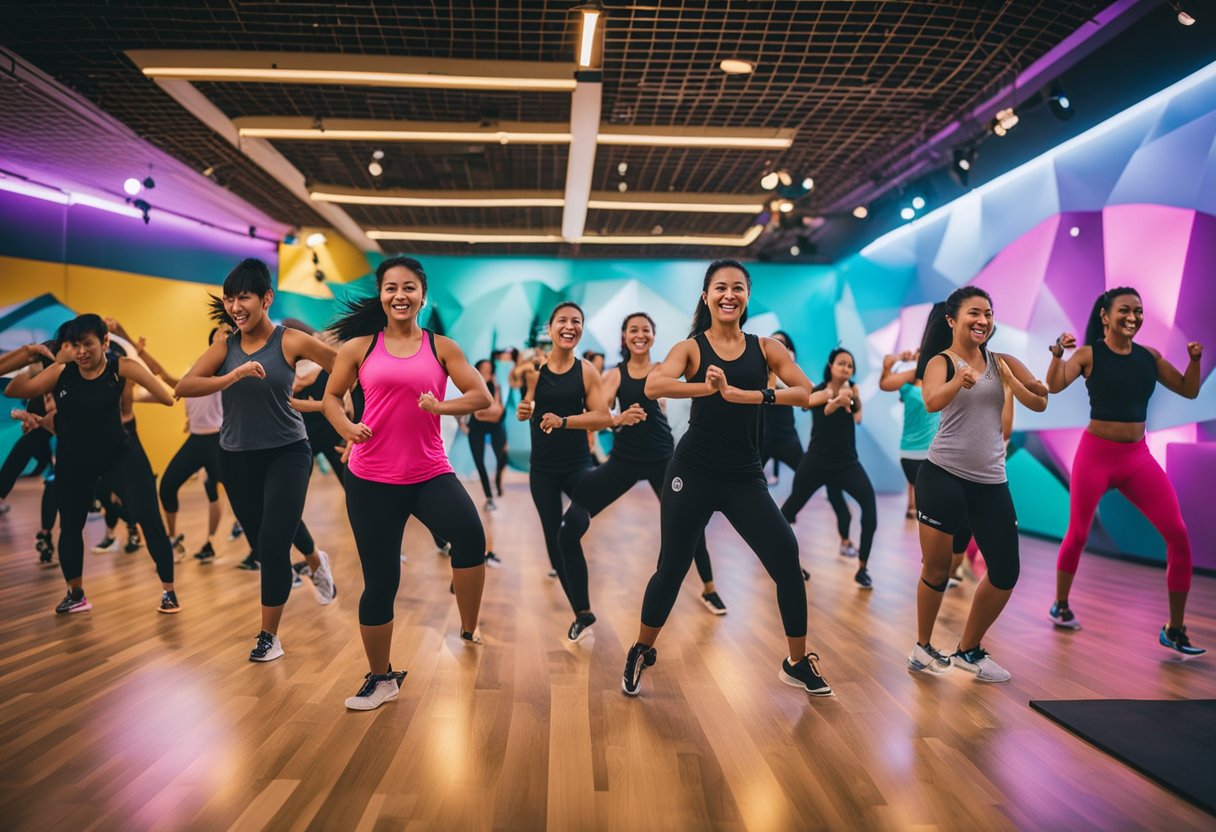

Nutrition and exercise are two sides of the same coin. You can attend every Zumba class on the timetable and still undermine your results if what you eat before and after class does not support your body’s needs. Equally, you can eat perfectly and find your performance and recovery suffer simply because of poor timing. For Singaporeans who want to get the absolute most out of their Zumba practice, understanding the basics of dance fitness nutrition using familiar, locally available foods is one of the most practical steps you can take.
The beauty of this approach is that you do not need imported supplements, expensive health foods, or complicated meal plans. Singapore’s hawker centres, wet markets, and supermarkets are stocked with everything your body needs to fuel a great Zumba session and recover well afterwards. Whether you attend zumba classes singapore in the morning, at lunchtime, or in the evening, there is a local food strategy that works for you.
Why Nutrition Around Exercise Matters
Before diving into specific foods, it helps to understand why pre and post-exercise nutrition matters at all. Your muscles rely on glycogen (stored carbohydrate) as their primary fuel during moderate-intensity exercise like Zumba. If glycogen stores are depleted when you start class, you will fatigue more quickly, your coordination will suffer (important for dance!), and you are more likely to experience dizziness or headaches mid-class.
After class, your muscles are in an actively receptive state for nutrient uptake. The cellular machinery responsible for protein synthesis and glycogen replenishment is switched on and working. If you eat the right nutrients within this window, recovery is faster, soreness is reduced, and you build fitness more effectively. If you skip post-exercise nutrition or choose the wrong foods, you miss this window and recover more slowly.
Pre-Zumba Nutrition: What to Eat and When
The goal of pre-exercise nutrition is to top up glycogen stores without overloading the digestive system. A heavy, greasy meal before exercise diverts blood flow to the gut, causes discomfort during movement, and often results in sluggishness, nausea, or even vomiting in high-exertion conditions.
The ideal timing for a pre-Zumba meal is two to three hours before class if you are eating a full meal, or 30 to 60 minutes before if you need a lighter snack.
Full Pre-Workout Meal Options (2 to 3 Hours Before)
Chicken rice (reduced gravy and moderate portion): Plain chicken rice with a moderate portion of rice provides a solid combination of carbohydrates and lean protein. Request less oil and gravy to keep fat content manageable. The steamed chicken version is significantly better than roasted for pre-workout purposes due to lower fat content.
Ban mian with egg: This soupy noodle dish with a poached egg is an excellent pre-Zumba meal. The noodles provide carbohydrate energy, the egg contributes protein and essential fats, and the broth supports hydration. Choose the soup version over the dry version to avoid excess oil.
Yong tau foo with noodles or rice: One of the most nutritionally balanced choices at any hawker centre. You can customise your protein and vegetable content, and the clear soup base keeps calories reasonable while ensuring you go into class hydrated and energised.
Brown rice with fish and vegetables from the economy rice stall: The economy rice (or “chap fan”) stall is Singapore’s most versatile nutrition tool. Choose brown rice if available, a portion of steamed or grilled fish, a leafy green vegetable like kai lan or spinach, and one other vegetable-based dish. This gives you complex carbohydrates, quality protein, fibre, and micronutrients in one tray.
Porridge with lean protein topping: Congee or porridge is easy to digest and ideal if your Zumba class is in the morning and your stomach is sensitive to heavier food before exercise. Top it with minced pork, century egg, or you tiao (fried dough fritters) in moderation.
Light Pre-Workout Snacks (30 to 60 Minutes Before)
When there is not enough time for a full meal before class, these local snacks provide quick, digestible energy:
- Two ripe bananas: Ideal pre-workout fruit. Easy to digest, rich in potassium (reduces cramp risk), and provides fast-acting carbohydrate
- A small cup of tau huay (soft tofu dessert, unsweetened or lightly sweetened): Provides easily digestible protein and gentle carbohydrates
- Two to three plain cream crackers with a thin spread of peanut butter: Balanced carbohydrate and fat combination that sustains energy without causing digestive distress
- A small bowl of oatmeal with a drizzle of honey: If you have time to prepare at home, this is one of the most effective pre-workout snacks for sustained energy
- One slice of wholemeal bread with half a mashed avocado: Increasingly available in Singapore’s supermarkets, this combination provides slow-releasing carbs and healthy fats
What to Avoid Before Zumba
Certain foods are particularly problematic before a Zumba session:
- Nasi lemak with coconut rice and all the accompaniments: The high fat content slows digestion significantly and makes exercise uncomfortable
- Laksa: The rich coconut gravy creates the same problem. Save it for a post-workout reward
- Fried carbohydrates like goreng pisang or deep-fried dim sum: These spike blood sugar rapidly and cause an energy crash mid-class
- Large portions of any food within 90 minutes of class: Volume is as important as food type. Even healthy food in large quantities causes discomfort during vigorous movement
- Carbonated drinks: These cause gas and bloating during movement, making the lateral twisting movements of Zumba particularly uncomfortable
Hydration Before and During Class
Singapore’s heat and humidity mean that hydration is an even more critical consideration than in temperate climates. You can lose 500ml to 1,000ml of sweat during a 45-minute Zumba class, particularly in a non-air-conditioned studio or during warmer months.
Start hydrating at least 90 minutes before class by drinking 400 to 600ml of water gradually (not all at once, which causes sloshing discomfort during movement). Bring a 500ml to 750ml water bottle to class and sip regularly rather than drinking large volumes at once.
Coconut water, which is readily available across Singapore from supermarkets and kopitiams, is an excellent hydration option for before and during class. It provides natural electrolytes including potassium and magnesium that support muscle function and reduce cramp risk. One 250ml serving before class and another during or after is a practical, affordable strategy.
Post-Zumba Nutrition: Recovering Like a Local
The 30 to 60-minute window after finishing your Zumba class is the most important nutritional window of the day for fitness adaptation. During this period, your muscles are particularly receptive to protein for repair and carbohydrates for glycogen replenishment.
The ideal post-workout meal contains a combination of lean protein (20 to 30 grams) and moderate carbohydrates, with minimal fat in the immediate post-workout period (fat slows the absorption of nutrients when speed of delivery matters most).
Post-Zumba Meal Options
Grilled or steamed fish with white rice and vegetables: One of the best post-workout meals available at Singapore hawker centres. Fish is among the highest-quality protein sources available, and white rice (which has a moderate glycaemic index) replenishes glycogen efficiently. This combination is available at fish soup stalls, seafood rice stalls, and many economy rice counters.
Tofu with brown rice and stir-fried greens: For vegetarians or those who prefer plant-based protein, silken or firm tofu provides adequate protein post-workout. Pair it with brown rice for sustained carbohydrate release and a green vegetable for micronutrients and fibre.
Kaya toast with soft-boiled eggs and a warm drink: The classic Singaporean breakfast is actually a reasonable post-workout option if eaten relatively promptly after class. Two soft-boiled eggs provide quality protein, the toast provides carbohydrates, and the warm Milo or kopi-c siu dai provides a small glucose and caffeine boost. This is best for morning classes.
Chicken soup bee hoon: Available at many hawker centres and food courts, this is a light but protein-rich post-workout meal. The noodles replenish carbohydrates, the chicken provides lean protein, and the broth supports rehydration.
Greek yoghurt with local fruit: Increasingly available at supermarkets across Singapore, plain Greek yoghurt with mango, papaya, or banana is a quick, practical post-workout option that provides around 15 to 20 grams of protein and fast-acting carbohydrates.
True Fitness Singapore locations are well-placed near food courts, hawker centres, and supermarkets, making it easy to plan a nutritious post-class meal without significant detour.
What to Avoid After Zumba
- Sugary bubble tea immediately after class: The sugar spike followed by a crash is counterproductive for recovery, and the milk tea base often contains little nutritional value
- Alcohol: Even one or two drinks significantly impair muscle protein synthesis and delay recovery
- Skipping the post-workout meal entirely: “I just worked out so I should eat less” is one of the most counterproductive approaches to fitness nutrition. Your body needs fuel to recover and adapt
- Ultra-processed recovery bars with long ingredient lists: Most commercially marketed protein bars available in Singapore contain more sugar and artificial additives than warranted. Real food is almost always a better choice
Nutrition for Specific Zumba Goals
Your nutritional strategy can be adjusted depending on what you are trying to achieve:
For weight loss: Focus on reducing overall caloric intake through portion control while ensuring adequate protein (at least 1.2 to 1.6 grams per kilogram of body weight daily) to preserve muscle mass. Do not cut carbohydrates drastically before class, as this will compromise your energy and performance.
For endurance and fitness improvement: Prioritise consistent carbohydrate fuelling before class and protein recovery afterwards. Consider adding a banana or two cream crackers as a pre-class top-up even if you had a full meal two to three hours earlier.
For muscle toning: Increase protein intake slightly (towards 1.6 to 2 grams per kilogram of body weight daily) and ensure you are hitting your protein target within 60 minutes after every Zumba session.
FAQ
Q. Can I exercise on an empty stomach before morning Zumba? A. Some people exercise comfortably on an empty stomach (fasted training), but for Zumba specifically, which requires coordination, memory, and sustained moderate-to-high intensity, most people perform better with at least a small snack beforehand. If you prefer fasted training, start with a light session and see how your body responds.
Q. Is kopitiam kopi (local coffee) okay before a Zumba class? A. A small kopi or teh in moderation can actually improve exercise performance. Caffeine has well-documented effects on endurance, focus, and perceived exertion. However, drink it at least 45 minutes before class, and avoid kopi with condensed milk if you are watching calories. Kopi-O kosong (black coffee, no sugar) is the most performance-friendly option.
Q. Should I take protein supplements after Zumba? A. Only if your diet genuinely cannot provide enough protein from food sources. For most Singaporeans who eat at hawker centres regularly, adequate protein is readily achievable through food. Protein supplements are a convenience, not a necessity. If you do use them, whey protein or plant-based protein powders are the most evidence-supported options.
Q. How much weight can I realistically lose through Zumba if I also improve my diet? A. With three Zumba sessions per week and a modest caloric deficit through dietary adjustment (around 300 to 500 calories per day), most people can expect to lose 0.5 to 1 kilogram per week of actual body fat. Results vary based on starting point, consistency, and individual metabolic factors.
Q. Are hawker centre meals really suitable for fitness nutrition or should I cook at home? A. Hawker centre meals can be very well-suited to fitness nutrition when chosen thoughtfully. The key is selecting grilled, steamed, or soupy preparations over fried ones, requesting less oil and sauce, and managing portion sizes. Singapore’s hawker culture is actually a significant nutritional asset for fitness-conscious people, given the variety and freshness of options available.
Q. What should I eat if I do a late-night Zumba class and do not want to eat a heavy meal before bed? A. A light protein and carbohydrate combination works well. Try a small bowl of plain congee with a soft-boiled egg, or two to three pieces of wholemeal bread with a thin spread of peanut butter and half a banana. This provides enough nutrition for recovery without overloading your digestive system before sleep.