
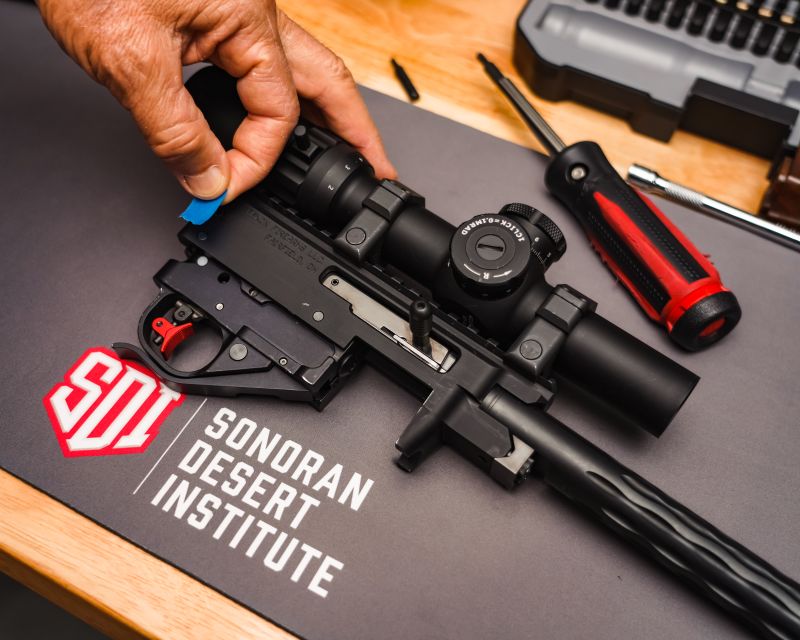

Conversations about firearms often begin with brand names or calibers, yet experienced owners tend to focus on something more basic: fit. Many prospective students and hobbyists search phrases such as Sonoran Desert Institute Cost because they are measuring time, effort, and long-term value before committing to a course of study. Sonoran Desert Institute (SDI), which is accredited by the Distance Education Accrediting Commission (DEAC), is often part of discussions about structured, methodical learning. The same careful thinking applies to firearm selection. Before debating accessories or aesthetics, first-time buyers benefit from asking a simpler question: Does this firearm fit my body in a way that supports safe handling?
Fit and ergonomics are not cosmetic concerns. They shape how easily a person can mount a firearm, reach controls, and maintain muzzle discipline. Poor fits introduce strain and hesitation. A good fit supports calm, repeatable actions. For new gun owners, especially those differences affect both safety and confidence.
Stock Length and Shoulder Fit
For rifles and shotguns, stock length plays a central role in safe handling. Length of pull, the distance from the trigger to the end of the stock, determines how comfortably the firearm sits against the shoulder. If the stock is too long, the shooter may struggle to mount the gun smoothly. If it is too short, balance and stability can suffer.
An appropriate stock length allows the shooter to shoulder the firearm and align sights without craning the neck or shifting the head forward. The buttstock should rest firmly against the shoulder pocket, creating a stable platform for recoil management. When the stock fits properly, the shooter can focus on sight alignment and trigger control rather than adjusting body position with each shot. Clothing also influences perceived fit. A rifle that feels correct in light attire may feel longer when worn with a thick jacket. Testing stock fit under realistic conditions helps prevent surprises during colder months or outdoor use.
Grip Size and Trigger Reach
Grip size affects both control and safety, particularly with handguns. A grip that is too large can stretch the shooter’s hand, causing the trigger finger to contact the trigger at an awkward angle. That misalignment may lead to inconsistent trigger press and reduced control. A grip that is too small can crowd the hand, limiting stability.
Proper grip fit allows the shooter’s trigger finger to rest naturally on the center of the trigger face while keeping the bore aligned with the forearm. The remaining fingers should wrap securely around the grip without strain. When the grip fits well, recoil management becomes more predictable, and follow-up shots feel controlled.
Rifles and shotguns also benefit from appropriate grip dimensions. Pistol grips on certain rifle platforms vary in circumference and angle. Testing different shapes can reveal which configuration supports relaxed, repeatable hand placement. Subtle differences in grip design often influence long-term comfort during extended range sessions.
Control Placement and Ease of Operation
Controls such as safeties, slide releases, magazine releases, and bolt handles must be accessible without compromising safe handling. A control that requires excessive shifting of the firing grip can disrupt muzzle direction and introduce unnecessary movement. For new owners, simplicity and clarity are valuable. When evaluating a firearm, take time to practice basic administrative tasks with the action open and verified clear, including engaging and disengaging the safety, locking the action open, and simulating magazine insertion and removal. These movements should feel deliberate and manageable rather than rushed or awkward. If operating a control requires excessive stretching or forces the hand into an unstable position, the design may not be the best fit for that individual.
Consistency in control placement also matters when building habits. Repeated practice with a platform that feels intuitive reduces hesitation. Reduced hesitation supports safer, calmer handling under normal range conditions. Familiarity with control locations can also shorten the learning curve when performing routine administrative tasks. Predictable ergonomics help reinforce deliberate, confident movements rather than rushed adjustments. Over time, consistent interaction with the same layout strengthens safe, repeatable habits.
Balance, Weight, and Recoil Management
Ergonomics extends beyond grip and stock length. Overall balance and weight influence how a firearm behaves during live fire. A front-heavy rifle may feel steady when aiming, yet fatiguing during extended sessions. A lightweight handgun may be easy to carry but transmit more noticeable recoil.
Weight distribution affects how quickly sights return to target. A well-balanced firearm allows the shooter to maintain control without excessive effort. For beginners, manageable recoil encourages longer practice sessions focused on fundamentals rather than bracing for impact. Testing balance in person offers valuable insight. Shoulder the rifle or mount the shotgun several times. Observe how naturally it points. For handguns, extend the arms and acquire a sight picture. Small shifts in weight or grip texture often become apparent only through repetition.
The Role of Practice and Documentation
Understanding fit does not end at purchase. As skills develop, small adjustments in stance or grip may refine comfort and performance. Keeping notes about what feels stable, where shots land, and how recoil behaves turns each range session into structured feedback.
Practical cost considerations are common in technical learning. Individuals who search Sonoran Desert Institute Cost are often weighing tuition against the time and effort required to develop usable skills. A similar mindset can benefit firearm owners. Taking the time to assess fit, document observations, and make incremental adjustments encourages steady, measurable improvement and reinforces a responsible, methodical approach to skill development.
Fit as a Foundation for Safe Handling
Fit and ergonomics influence every stage of firearm ownership, from initial handling at the counter to live fire at the range. Stock length affects mounting and recoil management. Grip size shapes trigger control and stability. Control placement determines whether safety procedures feel natural or strained.
When a firearm fits well, movements become smoother and more deliberate. Safe habits are easier to maintain. Confidence grows from repetition that feels stable rather than forced. For first-time gun owners, focusing on fit before features narrows the field and supports responsible decision-making. Selecting a firearm that aligns with your body is not about preference alone. It is about creating conditions that support safe handling every time the gun is picked up. A measured approach to ergonomics lays a practical foundation for years of careful practice and responsible ownership.